Design Your Day as a Seamless System

Today we explore Habit Architecture: Linking Routines into Seamless Task Pipelines, a practical way to connect small, repeatable actions so your day glides from intention to execution. We will align cues, contexts, and rewards, shrink friction, and build sequences that safeguard focus, conserve energy, and produce reliable progress. Expect field-tested frameworks, relatable stories, and simple experiments you can try immediately, along with opportunities to share what works and learn from others who are building steady, satisfying momentum.

Foundations That Make Flow Possible

Cues That Start the Right Sequence

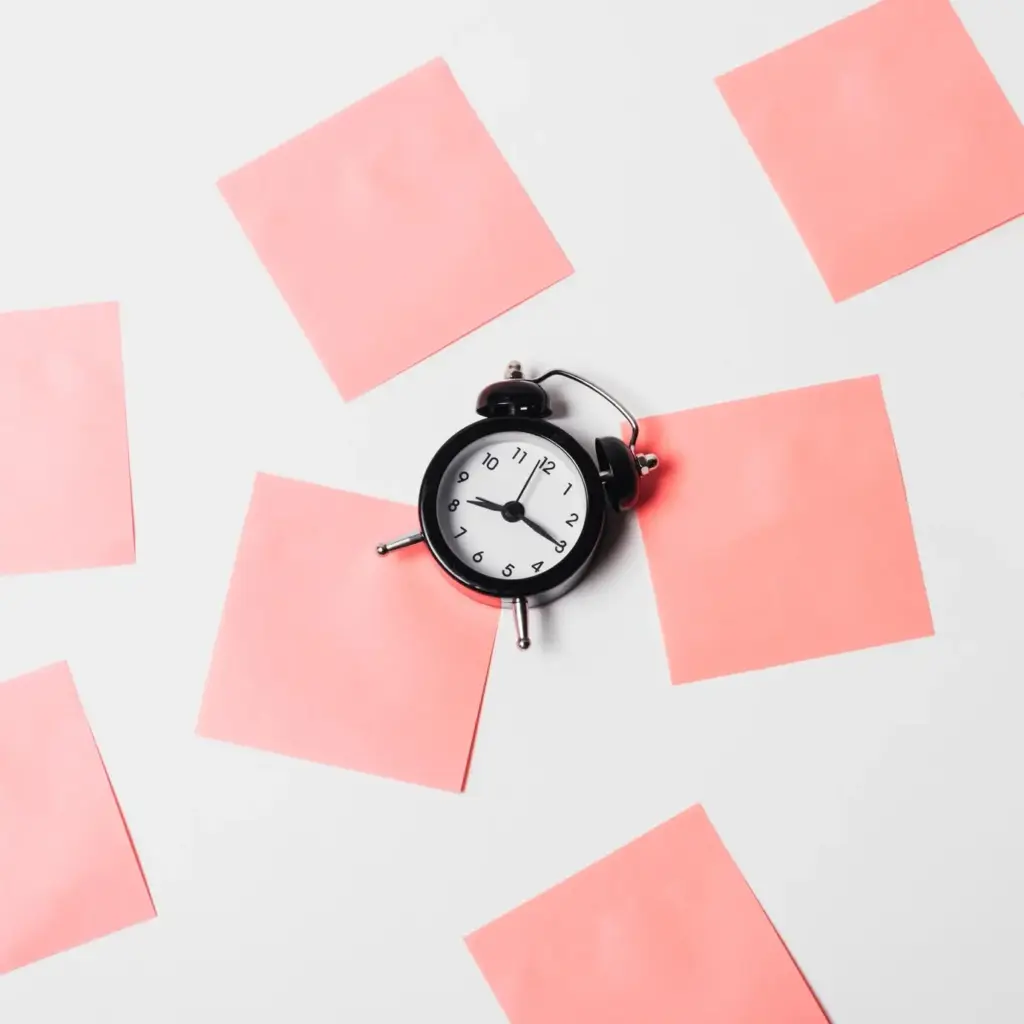
Strong sequences begin with unmistakable signals placed exactly where behavior starts. A water bottle on your keyboard, a playlist that only plays during deep work, or a sticky note on the coffee machine can move intention into motion. Make cues visible, specific, and consistent. When possible, hook them to existing routines, like after brushing your teeth or after finishing lunch, so one simple trigger reliably launches the next meaningful step without debate.

Reduce Friction, Increase Momentum

Every extra tap, search, or decision adds drag. Lay out tools the night before, keep only relevant tabs open, preload documents to the exact page, and archive distractions out of sight. Shrink steps to their smallest viable actions so starting feels effortless. Momentum favors the prepared, so design for fewer choices, fewer paths, and fewer excuses. When the first minute is unmistakably easy, the second becomes easier, and ten minutes later, progress feels inevitable.

Rewards That Lock In the Loop

Consistency blooms when your brain expects something good after effort. Pair a favorite tea with planning, celebrate completed blocks with a brief walk, or log wins in a gratifying tracker. Keep rewards immediate, modest, and tied to the process rather than distant outcomes. Over time, the act itself becomes rewarding because momentum feels good. Reinforcement transforms a fragile intention into reliable identity: the person who shows up, finishes, and returns tomorrow with confidence.

Map the Morning Pipeline

Draw a simple chain: wake, light stretch, water, quick plan, priority sprint, short break, review, reset. Place props exactly where each step occurs. Timebox lightly to protect flow without making it brittle. Keep the first work block deliberately tiny, like ten minutes, to guarantee a win. Over several days, adjust order, remove weak links, and add a celebratory micro-ritual. Mornings set tone; build a runway that almost guarantees an early, confidence-boosting success.

Build Context Bridges Between Tasks

Context bridges eliminate the awkward gap between finishing one task and starting another. Leave the next document open to the exact paragraph, paste the next three bullet points at the top, or pin the next dataset already filtered. The goal is to make the next action ridiculously obvious at a glance. When the hand-off is clean, you skip the drift into inboxes or feeds and instead glide into continuation. Attention stays tethered. Progress compounds politely.

Create Failsafes and Recovery Points

Life interrupts. Design checkpoints that let you resume without feeling lost. End work blocks by writing a single-line summary and the very next tiny action in bold. Save versions with clear timestamps. Use a predictable parking lot note for ideas that arrive mid-task. These small anchors shorten recovery time dramatically, turning disruptions into short pauses rather than derailments. A resilient pipeline assumes imperfection and still delivers reliable forward motion under real-world conditions.

Tools That Make Consistency Effortless
Tools should reduce thinking overhead, not add complexity. Choose simple checklists, named timers, and template files that behave like reusable rails. Automations should nudge, not nag, and reminders should appear exactly where action happens. The right tool tightens the hand-off between steps, clarifies what success looks like, and removes excuses. Aim for minimal clicks, consistent naming, and portable systems that function on a phone, laptop, or paper so your pipeline survives different contexts and environments.

Science Meets Daily Life

Behavioral research explains why tiny steps work so well. Small, repeatable actions carry low psychological resistance and accumulate benefits through compounding. Identity change follows consistent behavior, not the other way around. Dopamine rewards reinforce repetition, and environment design beats willpower when fatigue strikes. Translating these principles into daily scripts lets you work with your brain’s architecture, not against it. The result is a calmer path to consistency, where confidence grows because outcomes steadily materialize.

Define Leading and Lagging Indicators

Outcomes arrive later; behavior happens now. Track what you control today: number of deep work starts, completed checklists, successful hand-offs, and sessions recovered after interruption. Keep metrics visible and celebrate small improvements. Use lagging indicators, like shipped features or fitness milestones, as validation, not motivation. When leading measures rise steadily, results follow. Let data guide iteration, not guilt, and you will refine with curiosity rather than pressure or unrealistic demands.

Run a Weekly Pipeline Retrospective

Set a recurring appointment to review what flowed and what snagged. Ask which step felt heavy, which cue you ignored, and where context switches cost the most energy. Decide on one small tweak to test next week, like moving a cue, shortening a step, or adjusting a timebox. Record observations so learning compounds. This gentle, iterative loop keeps your system honest, responsive, and aligned with real life instead of idealized schedules.

Kill, Split, or Merge Steps

When a step regularly causes drag, change its shape. Kill it if it adds no value. Split it if it hides two different modes of thinking. Merge it if it belongs with a neighbor for smoother flow. Make each decision reversible and review results after a few cycles. The right cut can unlock momentum instantly. Treat design choices as experiments, not verdicts, and your pipeline stays lean, humane, and adaptable.

Keep It Alive When Life Changes

Pipelines must breathe with real circumstances: travel, illness, deadlines, family needs, and shifting goals. Design alternative routes with smaller loops and lighter checklists so progress remains possible on tough days. Protect keystone steps that stabilize everything else. Use portable cues, like a pocket notebook or preloaded phone widget, to preserve continuity. Most importantly, create playful accountability with peers who cheer experiments and share what works. Consistency thrives when systems flex without losing their friendly shape.

Design for Interruptions and Travel

Build a compact travel version of your routine: a minimal morning sequence, a fifteen-minute deep focus block with noise-canceling earbuds, and a single portable checklist. Use hotel coffee as the cue, and keep tasks offline-ready. Expect delays and design micro-steps that still count. When you land, a short reset ritual helps rejoin the fuller pipeline. Continuity beats perfection, and flexible scaffolding keeps identity intact wherever life takes you next.

Seasonal Recalibration Ritual

Every quarter, review the pipeline like a gardener inspecting beds. What’s thriving, crowding, or withering? Realign routines with current priorities, daylight, and energy patterns. Swap a long evening session for shorter morning sprints, or trade daily review for a richer weekly checkpoint. Refresh cues that became invisible. Celebrate carried-over wins to anchor identity. This gentle pruning and replanting keeps momentum healthy, prevents drift, and ensures your system reflects the season you’re actually living.

Community, Accountability, and Play

Invite others into your pipeline with light, encouraging structures. Share daily starters in a small chat, post a celebratory screenshot after your focus block, or co-work silently on video for thirty minutes. Keep accountability friendly, not punitive. Gamify with streaks, but allow skips without shame. When progress becomes social, playful, and visible, resilience increases. Tell us what sequence you’re building; subscribe and comment so we can learn alongside you and refine together.
Rozamofakimufizo
Privacy Overview

This website uses cookies so that we can provide you with the best user experience possible. Cookie information is stored in your browser and performs functions such as recognising you when you return to our website and helping our team to understand which sections of the website you find most interesting and useful.